Home protection · 4 min read
5 Signs Wildlife May Be Living in Your Attic and What to Do About It
Small clues around your roofline often reveal the presence of wildlife before costly damage occurs. Early detection and careful inspection help protect your home effectively.
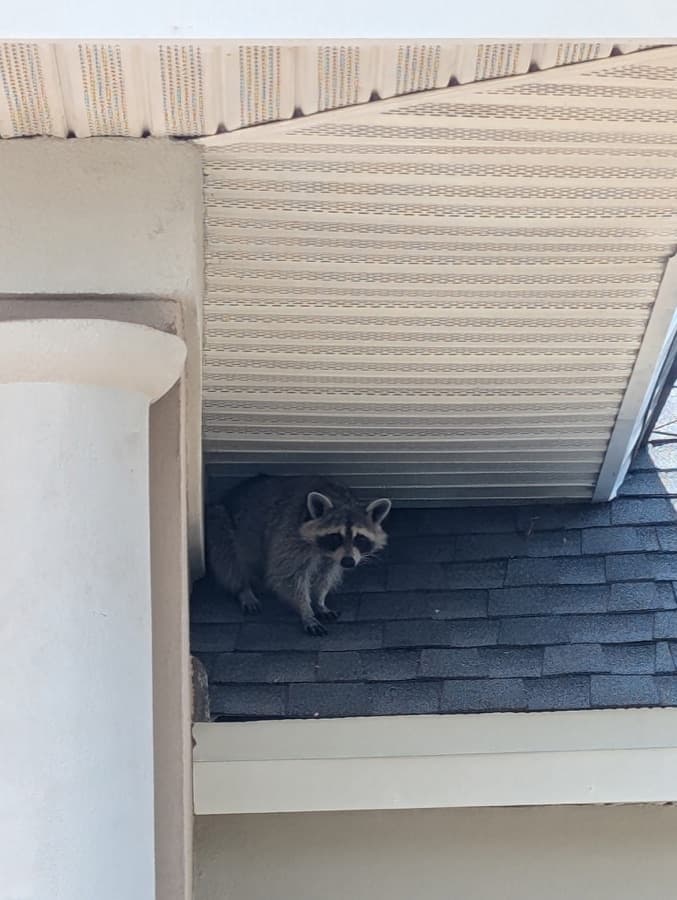
Wildlife rarely makes its presence known immediately after gaining entry to an attic. More often, homeowners first notice subtle signs indicating that animals have taken up residence. Recognizing these early clues can prevent more extensive damage and costly repairs down the line.
One of the most common indications is unusual noise. Listen carefully for scratching, rustling, or the sound of movement near the roofline during times when animals are typically active. Squirrels, for example, tend to be more active during daylight hours, while raccoons and opossums are usually noisy at night. Hearing a repetitive sound that was not previously present should prompt a thorough inspection.
Visual inspection of roofline components such as soffits, vents, fascia, and roof returns is important. Look for fresh disturbances such as displaced or compressed insulation near access points, dark smudge marks along edges where animals repeatedly rub, accumulations of droppings, or damaged screens and loose flashing. These signs suggest recent or ongoing animal activity and help identify the likely species involved.
It is important not to rush into sealing any openings as soon as they are discovered. Animals may have young inside the attic or might still be entering and exiting. Immediate closure can trap animals inside, leading to additional problems such as odor and damage from panic behavior. Instead, a careful and methodical inspection should be conducted to confirm the species and determine whether juveniles are present.
Once the inspection is complete, a humane removal and exclusion plan can be developed. This may involve timing repairs after young have matured and exited or creating one-way exits that allow animals to leave but not re-enter.
Early investigation provides the best chance to address problems while minimizing damage. Wildlife in an attic can harm insulation, wiring, and drywall, increasing the risk of fire hazards or costly repairs. By paying close attention to sounds and physical signs around your roofline and acting with care, you can protect your home and maintain a safe, wildlife-free space.
Overview
Use this section to explain the context, the issue, and what homeowners should understand before taking action.